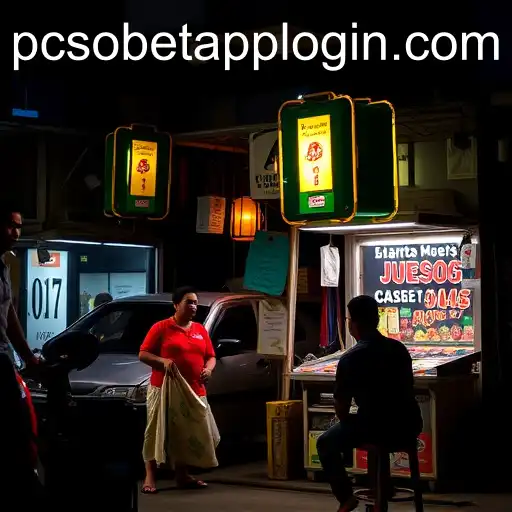
The Complex World of Jueteng: An In-depth Look into the Underground Lottery
Jueteng, an underground numbers game, has been shaping the socio-economic landscape of the Philippines for decades. Despite repeated efforts to curb its existence, jueteng persists, thriving in unregulated markets and drawing interest from various stakeholders. This article explores the intricacies of jueteng, focusing on the connection to "PcsoBet Login" and its intricate relationship with legal gaming frameworks.
Understanding Jueteng
Jueteng is a popular but illegal numbers game. Participants place bets on a sequence of numbers, and winners are drawn daily. The simplicity of its rules makes it accessible to the masses, contributing to its widespread popularity. Often considered a source of quick money, jueteng flourishes in both urban and rural settings in the Philippines.
Historically, efforts to legalize the game have been met with mixed reactions. Legalizing jueteng could bring regulatory oversight and generate tax revenue. However, moral and ethical concerns about encouraging gambling remain significant obstacles. The legalization debate continues, reflecting broader societal tensions around gambling's place in Filipino culture.
Linking Jueteng with Legalized Gaming
The Philippine Charity Sweepstakes Office (PCSO) operates legal lottery games that have a similar appeal to jueteng. One critical development in the domain of PCSO is the introduction of digital platforms like the "PcsoBet Login" system. This allows enthusiasts to participate in legitimate games conveniently, potentially reducing the appeal of jueteng.
PcsoBet Login marks a modernization effort, making access to legal gaming easier through digital platforms. By embracing technology, PCSO aims to attract a demographic that might otherwise fall into illegitimate gambling due to convenience or lack of awareness about legal alternatives.
The Social and Economic Impact
Jueteng's resilience is partly due to its role in local economies. It provides employment opportunities, albeit informal, for numerous people, including bet collectors and operators. The money involved in jueteng often circulates back into local communities, offering a pseudo-economic safety net for many inhabitants. This aspect complicates governmental approaches to eradication, as eliminating jueteng without providing alternative livelihoods could exacerbate poverty.
On a broader scale, jueteng's existence highlights disparities in socio-economic status. Often, those engaged in betting are from lower socio-economic brackets, seeking a way to quickly alleviate financial burdens. In contrast, those running these operations may amass significant wealth, perpetuating economic divides.
From an Ethical Perspective
The ethical dimensions surrounding jueteng are multifaceted. On the one hand, it is viewed as an expression of personal freedom, where individuals choose how to spend their money. On the other hand, it poses significant ethical concerns due to its potential for financial ruin and its non-contributory nature to state finances.
Moreover, the moral arguments against jueteng hold significant weight, particularly from religious and community leaders. Gambling, even when legal, often faces criticism for its potential to lead to addiction and its perceived corrosive impact on societal values.
The moral stance against jueteng influences policy and regulation discussions. Any move towards legalization would need to address these deeply ingrained moral objections, possibly by ensuring that revenues fund community projects or social welfare initiatives.
The Role of Law Enforcement
Law enforcement's battle against jueteng is emblematic of larger struggles against organized crime. Challenges include corruption and limited resources, which hinder effective policing of illegal operations. Despite occasional high-profile raids, jueteng operators often resume operations quickly, highlighting the need for systemic solutions.
Efforts to combat jueteng could benefit from modernizing law enforcement techniques. Utilizing technology to track operations or engaging communities in self-policing could prove effective. Additionally, rewarding whistleblowers or insiders willing to dismantle the networks could provide breakthroughs in this long-standing issue.
The PCSO's Strategy
To counter jueteng's grip, the PCSO and similar entities are expanding their reach through digital transformation. Initiatives such as the "PcsoBet Login" not only modernize operations but also aim to shift the appeal from illegal to legal gaming options. By offering competitive rewards and transparent processes, these platforms seek to recapture potential jueteng players.
Moreover, the government's role in supporting these initiatives is crucial. Policies that ease participation in legal games, coupled with public information campaigns, could reduce the reliance on illegal gambling. Educational programs highlighting the risks of illegal gambling and promoting financially responsible behavior might also mitigate the impact of jueteng.
A Futuristic Perspective
Looking ahead, technology will undoubtedly play a central role in both the perpetuation and the potential eradication of jueteng. Digital currencies, blockchain, and AI could alter how these operations function, potentially making them harder to track or eliminate due to increased anonymity.
Conversely, these technologies offer tools to create more compelling legal alternatives. Implementing blockchain for transparency or AI to enhance user experience in legal lotteries could lure participants away from illegal options. These advancements could redefine the landscape, providing innovative pathways for the PCSO and similar organizations to attract users.
In conclusion, jueteng remains a controversial and complex issue within the Philippines. Its deep-rooted presence presents challenges that intertwine social, economic, and ethical dimensions. While the future may hold promise for resolution through technological advancements and progressive policies, the path forward requires careful navigation and nuanced understanding of the scape.